
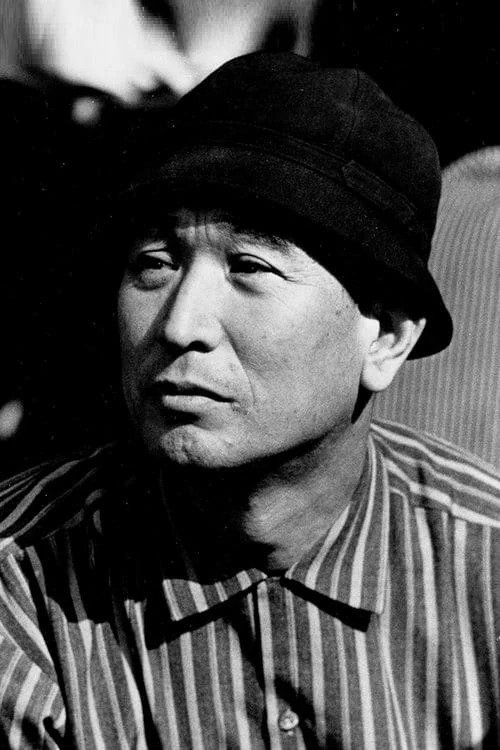
Akira Kurosawa
23/03/1910 · Shinagawa, Tokyo Prefecture, Japan
Akira Kurosawa (黒澤 明) was a Japanese filmmaker and painter who directed thirty films in a career spanning over five decades. He is widely regarded as one of the greatest and most influential filmmakers in the history of cinema. He displayed a bold, dynamic style, strongly influenced by Western cinema yet distinct from it; he was involved with all aspects of film production. Kurosawa entered the Japanese film industry in 1936, following a brief stint as a painter. After years of working on numerous films as an assistant director and scriptwriter, he made his debut as a director during World War II with the popular action film Sanshiro Sugata (1943). After the war, the critically acclaimed Drunken Angel (1948), in which Kurosawa cast the then little-known actor Toshiro Mifune in a starring role, cemented the director's reputation as one of the most important young filmmakers in Japan. The two men would go on to collaborate on another fifteen films. Rashomon (1950), which premiered in Tokyo, became the surprise winner of the Golden Lion at the 1951 Venice Film Festival. The commercial and critical success of that film opened up Western film markets for the first time to the products of the Japanese film industry, which in turn led to international recognition for other Japanese filmmakers. Kurosawa directed approximately one film per year throughout the 1950s and early 1960s, including a number of highly regarded (and often adapted) films, such as Ikiru (1952), Seven Samurai (1954), Throne of Blood (1957), Yojimbo (1961) and High and Low (1963). After the 1960s he became much less prolific; even so, his later work—including two of his final films, Kagemusha (1980) and Ran (1985)—continued to receive great acclaim. In 1990, he accepted the Academy Award for Lifetime Achievement. Posthumously, he was named Asian of the Century in the Arts, Literature, and Culture category by AsianWeek magazine and CNN, cited there as being among the five people who most prominently contributed to the improvement of Asia in the 20th century. His career has been honored by many retrospectives, critical studies and biographies in both print and video, and by releases in many consumer media.
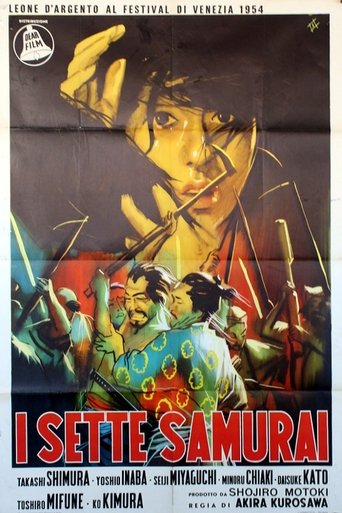 Film8.5
I sette samurai
七人の侍 · 1954
 Film8.4
Anatomia di un rapimento
天国と地獄 · 1963
 Film8.3
Vivere
生きる · 1952
 Film8
Ran
乱 · 1985
 Film8
Rashomon
羅生門 · 1950
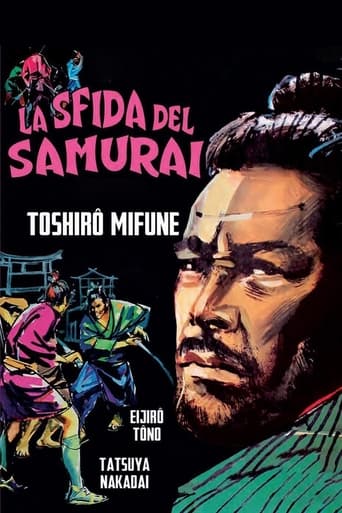 Film8.1
La sfida del samurai
用心棒 · 1961
 Film7.8
Kagemusha - L'ombra del guerriero
影武者 · 1980
 Film7.7
Sogni
夢 · 1990
 Film8.2
Barbarossa
赤ひげ · 1965
 Film7.9
Il trono di sangue
蜘蛛巣城 · 1957
 Film8
La fortezza nascosta
隠し砦の三悪人 · 1958
 Film7.9
Sanjuro
椿三十郎 · 1962
 Film7.9
Dersu Uzala - Il piccolo uomo delle grandi pianure
Дерсу Узала · 1975
 Film7.2
Rapsodia in agosto
八月の狂詩曲 · 1991
 Film7.6
L'angelo ubriaco
醉いどれ天使 · 1948
 Film7.7
I cattivi dormono in pace
悪い奴ほどよく眠る · 1960
 Film7.6
Cane randagio
野良犬 · 1949
 Film7.1
Dodes'ka-den
どですかでん · 1970
 Film7.3
Madadayo - Il compleanno
まあだだよ · 1993
 Film6.6
Gli uomini che mettono il piede sulla coda della tigre
虎の尾を踏む男達 · 1952
 Film7
L'idiota
白痴 · 1951
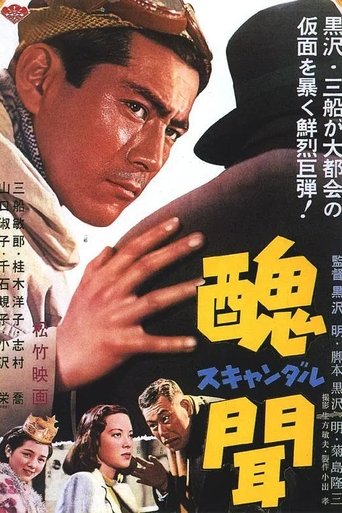 Film6.9
Scandalo
醜聞 · 1950
 Film6.5
Sanshiro sugata
姿三四郎 · 1943
 Film6
Sanshiro Sugata 2
續 姿三四郎 · 1945
 Film7.3
Il duello silenzioso
静かなる決闘 · 1949
 Film6.9
Non rimpiango la mia giovinezza
わが青春に悔なし · 1946
 Film7.1
I bassifondi
どん底 · 1957
 Film7.2
Una meravigliosa domenica
素晴らしき日曜日 · 1947
 Film5.6
Lo spirito più elevato
一番美しく · 1944
 Film7.3
Testimonianza di un essere vivente
生きものの記録 · 1955
 Film10
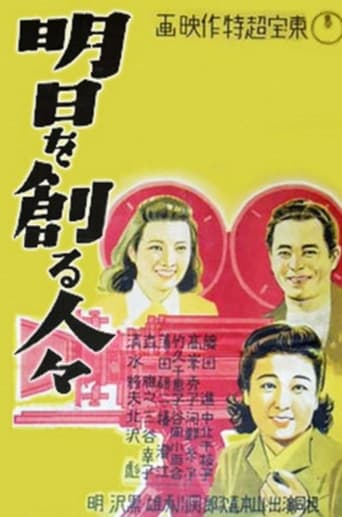
I costruttori di domani
明日を創る人々 · 1946
 Film5.9
馬の歌
1970